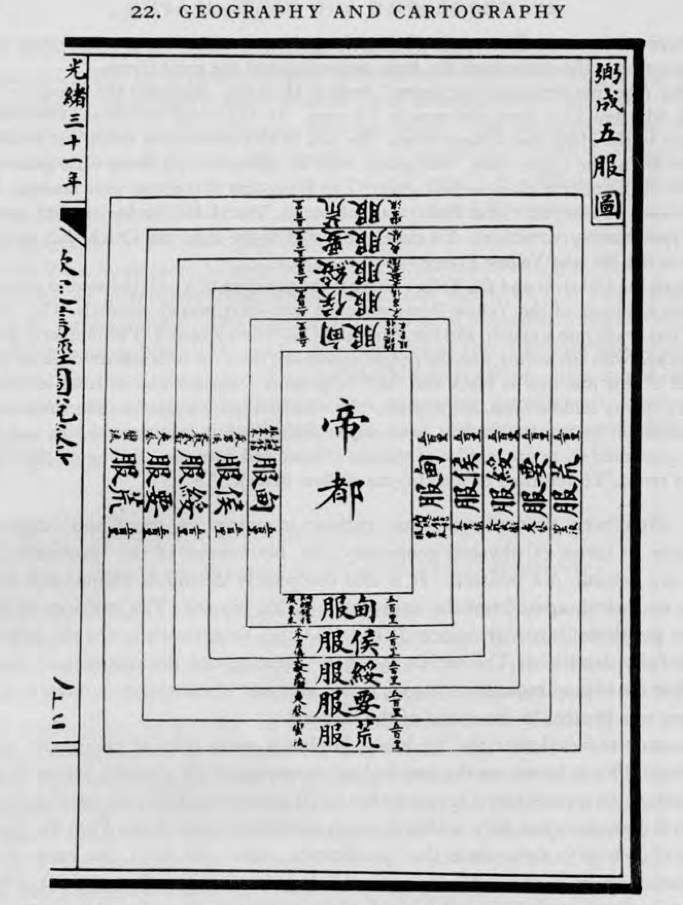
In ancient China, the Chinese emperors believed that they were in the center of world. In Tribute of Yu, there are five zones. The emperor lived in the center. The more distant people lived away from the emperor, the more barbarian they were. Thousands of years later, even if many northern tribes, such as Jurchens and Mongols, conquered at least some parts of China, the Chinese did not give up this worldview. Starting in the Tang dynasty, the Chinese started to formulize a tributary system. China’s neighbors could send a mission to China in a certain amount of frequency. They could bring tributes to the emperor. In return, they could receive a generous reward from the emperor. The tributary system continued to exist in the Qing dynasty.
However, in the eighteenth century, with the improvement of technology, more and more Westerners came to China. China, however, refused to change its worldview in front of the Western missions. Therefore, the conflict between China and the West started to appear. The laws in China were different and inadequate, causing collision relation between China and the West. What’s more, the British sold Opium to the Chinese in order to earn a large of money. At the same time, the Opium caused a lot of problems in the Qing dynasty.
Managing the foreigners (p115-p121)
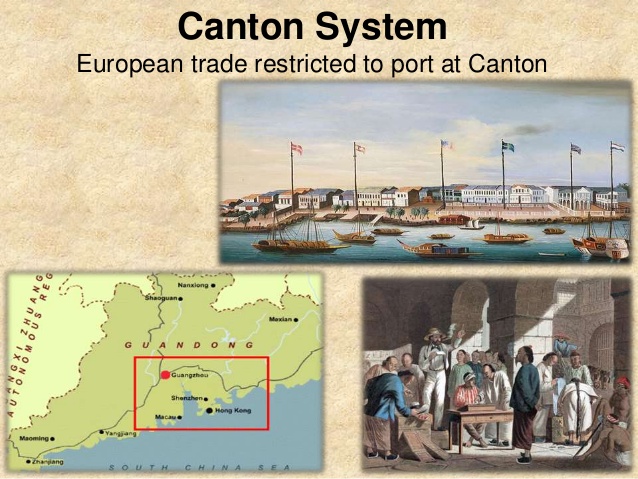
In the early Qing, the European embassies from Netherlands and Portugal (Portugal had controlled Macau since the Ming dynasty; and Netherlands was the owner of Taiwan before the Zheng family defeated them. See more in chapter 1 and chapter 3) tried to establish broad trading privileges with China. Nevertheless, they had to be content with the status of “tributary nations”. They were only allowed to trade under the “Canton System”. In 1720, in attempt to control the foreign trade, Chinese merchants in Canton formed their own monopolistic guild called the Cohong. After 1760, all European trade was restricted to Canton, and foreigner were forbidden residence there except during the trade season, which ran each year from October to March.
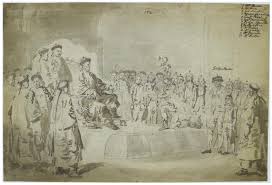
The British East India Company sought to trade with China. They foresaw the great commercial benefit in the China. They selected Lord George Macartney as their emissary to China. Macartney reached China in 1793. He managed to have a meeting with Qianlong since he claimed to be saluting Qianlong on his eightieth birthday. He had the official status of “tribute emissaries”. Macartney managed to persist in his refusal to prostrate himself full-length on the ground before the emperor in the ritual kowtow. However, even if Macartney tried to make compromises to satisfy the Qing, Qianlong Emperor still refused to increase Chinese foreign commerce because it needed nothing from other countries. “Our Celestial Empire possesses all things in prolific abundance and lacks no product within its own borders. There was therefore no need to import the manufactures of outside barbarians in exchange for our own produce (Document Collection, p106).” Qianlong still used Chinese traditional worldview to treat Macartney. It largely hurt the relationship between China and the United Kingdom.
Aliens and Chinese law (p121-p126)
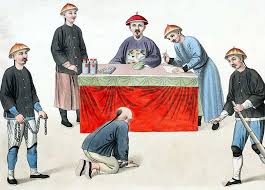
The Qing penal system was harsh. What’s more, there was no room within the system for special treatment of foreigners. Therefore, the penal system intensified the conflict between China and the European nations. In Kangxi’s reign, the local Qing authorities were content to accept cash payments in restitution. However, in the later years of Qianlong’s reign, Qing authorities started to intervene the cases of foreigners and execute many of them. Two of these cases were influential, involving two trading vessels, the Lady Hughes and the Emily. These treatments were harmful to the relationship between the Qing dynasty and the Western nations.
Opium (p127-p130)
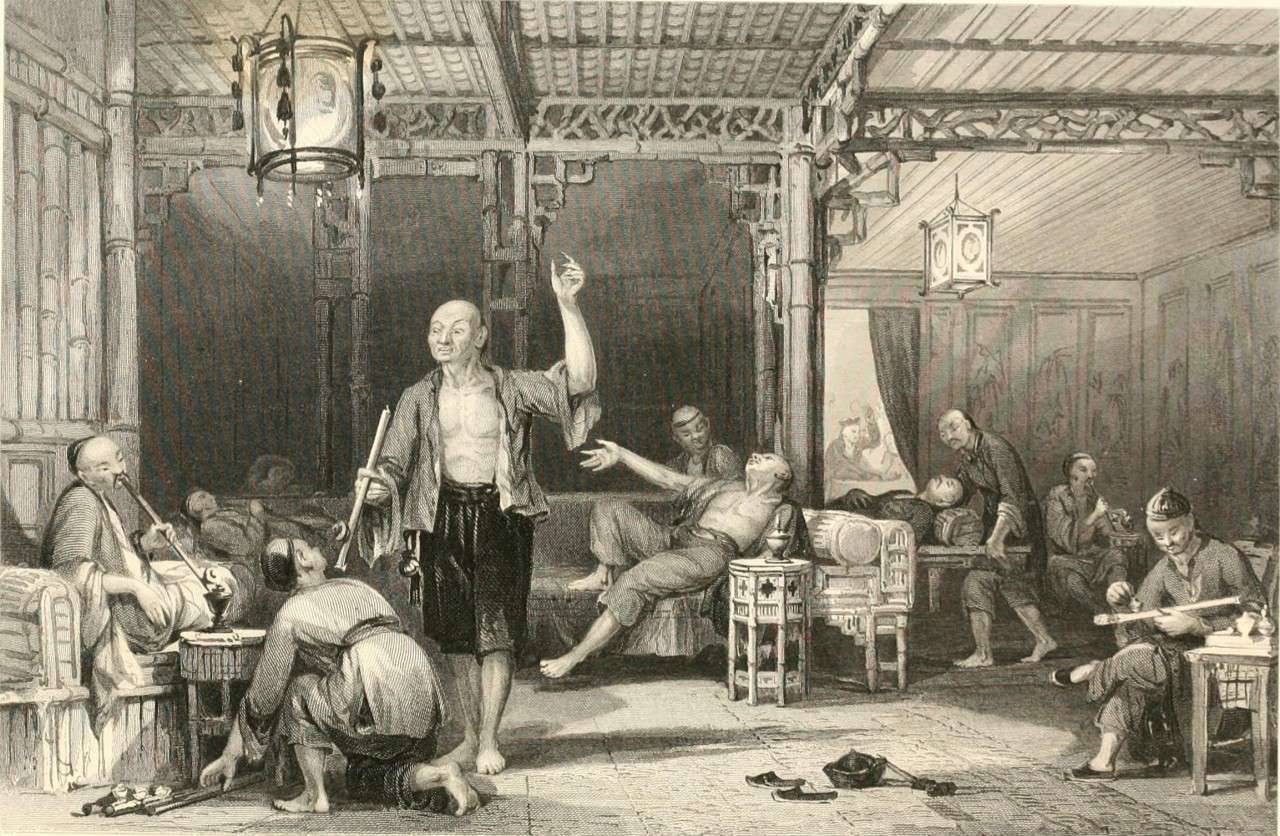
In Yongzheng’s reign, opium trade became legal for medical use (in chapter 4). However, in the later years of Qianlong’s reign, a large amount of opium was sold to China. By the 1820s, enough opium was coming into China to sustain the habits of around 1 million addicts. The British developed a triangular trade of goods from Britain to India, India to China (opium), and China to Britain. The British made a huge profit in this triangular trade. However, the Chinese suffered the addiction of opium. The government tried to control the import of opium but it did not have an effect until the opium trade was officially stopped in 1838 (in chapter 7). However, the opium had already harmed the health of Chinese. Moreover, after the ban of opium trade, the United Kingdom declared a war and the Qing dynasty was defeated. After that, the Qing dynasty started to become a semi-colonial state (see more in later chapters).
Western Images of China (p131-p135)
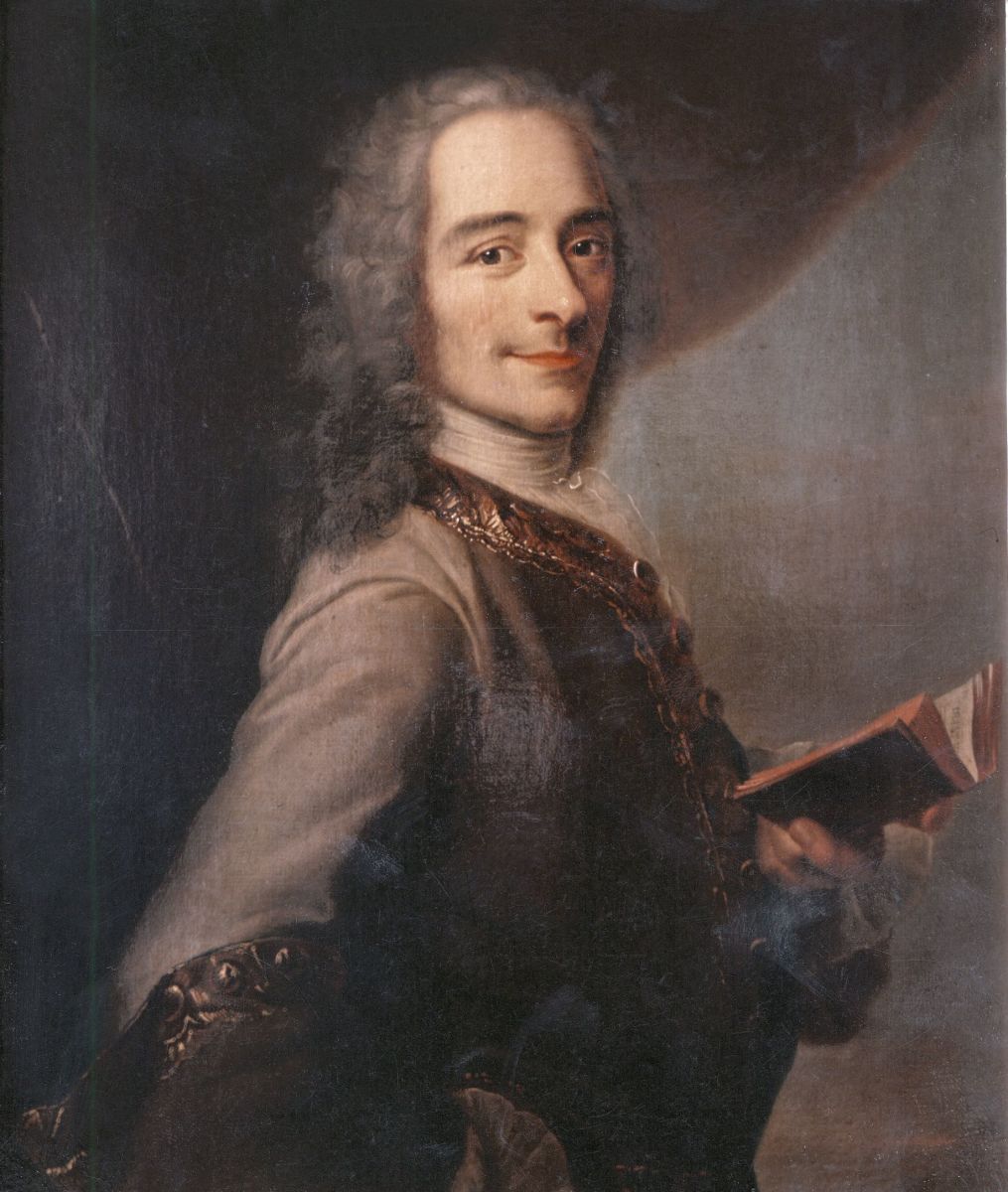
Until the middle of the eighteenth century, China generally received favorable attention in the West. Many classical Chinese texts were translated into Western languages by Jesuits. The French Jesuits translated the celebrated “Analects” of Confucius into Latin. By 1687, the Latin version was available in the libraries of Paris and Oxford. Many European scholars started to learn the Chinese classics. Voltaire (1694-1788), the French philosopher, attacked the power of the Catholic churches by using the information of China provided by Catholics to prove their more extreme claims. What’s more, he believed that Qianlong was a “philosopher-king” to exemplify his views of religion and government. Voltaire’s works was influential in the Enlightenment period and had an impact on the French Revolution. Therefore, not only did the Europeans had a great impact on Chinese history, but the Chinese also were influential to the European history. In addition to Voltaire, Leibnitz, Adam Smith, and Hegel were also influenced by the Chinese.
Conclusion
In the eighteenth century, the power of European countries was increasing rapidly. However, the Chinese still refused to change their worldview that China was the center of the world. The sturbborn Qianlong humuliated the British embassy and King George III. He refused to open the market of China. What’s more, the Chinese law had no special treatment of the foreigners. These were harmful to the relationship between China and the West. At the same time, the British sold opium to China, causing the problem of addiction. The ban of opium later caused the Opium War. Even if the relationship between China and the West was not good, Western philosophers were still influenced by Chinese classics.
Author: Cundao

